Welding fixtures
Spis treści
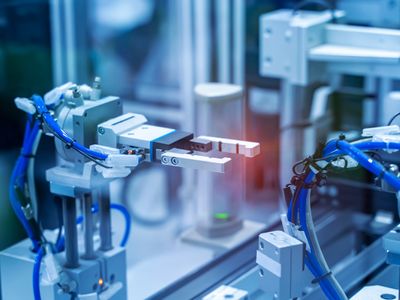
WELDING FIXTURES
Welding fixtures are specialized tools used to hold, support, and position parts in place during the welding process. 1. Role of Welding Fixtures:
- Positioning: They accurately position the workpieces, ensuring they are aligned in the correct orientation before welding. This helps prevent errors caused by misalignment.
- Stability: Fixtures hold the workpieces firmly in place, preventing them from shifting or moving during the welding process. This is particularly important in high-heat situations where parts can expand or warp.
- Precision: By ensuring consistent positioning, fixtures contribute to the precision of the weld, leading to uniform and high-quality welds.
- Efficiency: By holding parts in place, welding fixtures allow for faster setup times and repetitive operations, which increases overall productivity in mass production environments.
- Safety: Properly secured workpieces reduce the risk of accidents and improve the safety of the welder and the work environment.
- Consistency: Fixtures ensure that each weld is made in the same position every time, which is crucial in manufacturing where high repeatability is necessary.
2. Usage of Welding Fixtures:
- For Complex Assemblies: In situations where multiple components need to be welded together, fixtures help maintain proper alignment and ensure that the parts fit together as intended.
- In Automated Welding: Fixtures are essential in robotic welding applications, where automated arms or machines perform the welding. The fixture provides the reference for the robot to weld parts with high accuracy.
- For Multiple Welds: When multiple welds are required on a single part, a fixture ensures that all welds are made in the same position relative to each other.
- For Different Types of Joints: Fixtures can be designed for different joint types such as butt joints, corner joints, or T-joints, optimizing the welding process for each specific configuration.
- In Production Runs: Welding fixtures are commonly used in high-volume manufacturing processes like car assembly lines, where the same welds need to be made repeatedly on identical or similar parts.
3. Types of Welding Fixtures:
- Fixed Fixtures: These are stationary and are used for specific tasks or parts, providing a permanent setup.
- Adjustable Fixtures: These can be adjusted to accommodate different parts or welding positions, making them versatile for various jobs.
- Magnetic Fixtures: Magnetic fixtures use magnets to hold ferrous materials in place. They are convenient for quick setup and removal, especially in small-scale or mobile operations.
- Clamping Fixtures: These use clamps or mechanical arms to secure the workpiece. They are adjustable and provide a firm grip without damaging the material.
Overall, welding fixtures are a critical tool for achieving high-quality welds in both manual and automated welding processes, ensuring precision, safety, and efficiency.